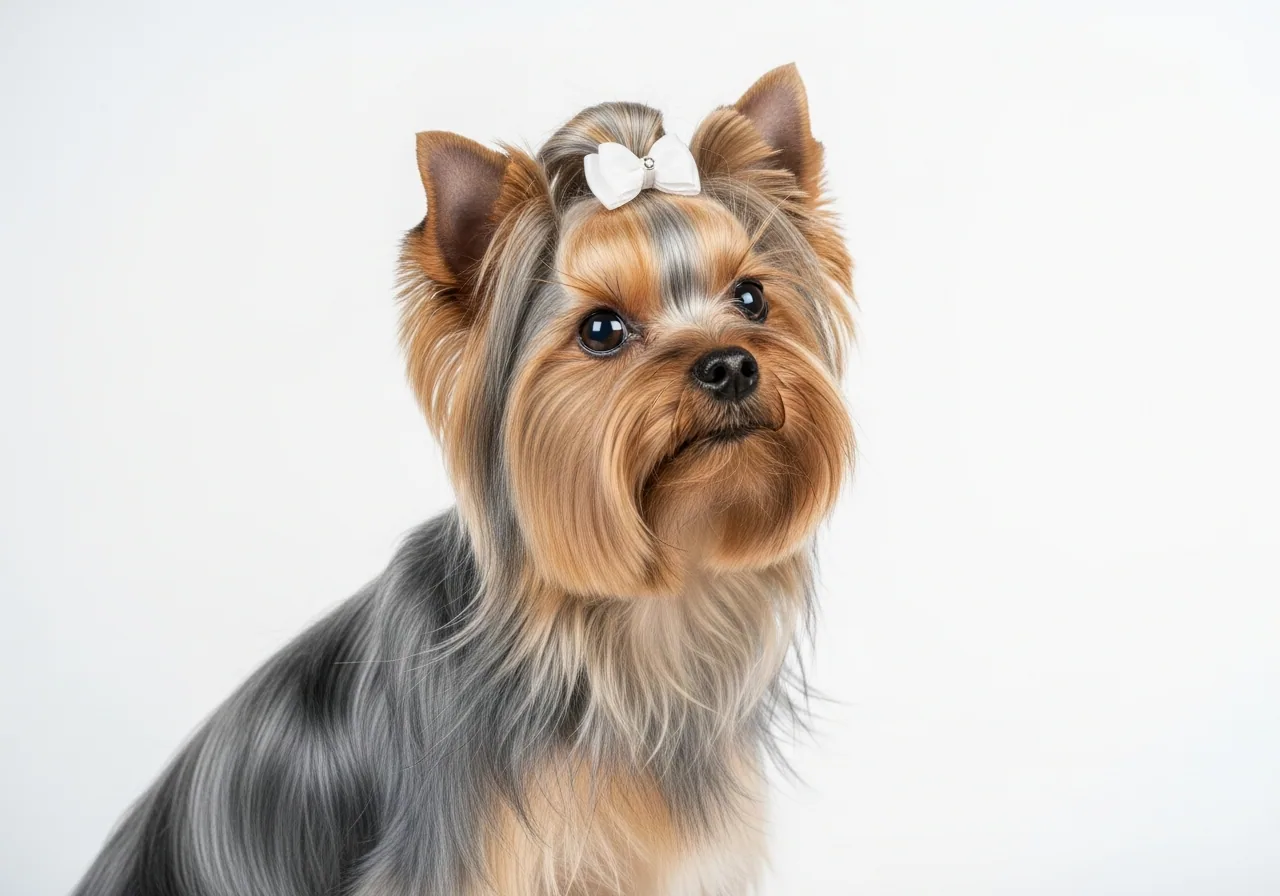
Yorkshire Terrier
#13 Most PopularLast updated
A tiny terrier with a silky coat and a big-dog attitude: brave, bossy, devoted, and a lot more than a lap dog.
Is the Yorkshire Terrier Right For You?
YES, if you are…
Apartment dwellers, seniors, and adults or families with older children who want a small, lively, affectionate dog and are happy to keep up with grooming and dental care.
NO, if you are…
Homes with toddlers, owners who want a quiet dog, people unwilling to keep up with grooming, and households with large, rough-playing dogs.
Fun Facts about the Yorkshire Terrier
- Huddersfield Ben, born in 1865, is considered the father of the breed.
- A Yorkie named Smoky served with US troops in World War II, helped run telegraph wire through a narrow pipe, and is often called one of the first therapy dogs.
- Yorkie puppies are born black and tan and gradually develop their steel-blue and tan coats.
- The Yorkie's coat is often compared to human hair because it keeps growing and has very little undercoat.
Common Misconceptions about the Yorkshire Terrier
That Yorkies are delicate lap dogs with no terrier instincts. They were bred to hunt rats and remain bold and spirited. Another misconception is that a 'teacup' Yorkie is a special variety; extra-tiny dogs are often bred for size at the expense of health.
Quick Facts
4-7 lbs
7-8 in
11-15 years
Long
Blue and Tan, Black and Gold
Low
Moderate
Moderate
Frequent
Yes
Yorkshire Terrier Temperament
Affectionate, Sprightly, Tomboyish
Exercise & Grooming
Exercise Needs
Short daily walks and indoor play
Grooming
Daily brushing or professional grooming
Grooming Guide
A long show coat needs daily brushing and regular baths; most pet owners choose a short trim every six to eight weeks. Tie up or trim the hair above the eyes. Brush teeth daily if possible, trim nails regularly, and check ears.
Yorkshire Terrier Health
Common Health Issues
Patellar luxation, portosystemic shunt, dental disease
Diet & Nutrition
Feed a small-breed diet in measured portions. Puppies need several small meals a day to prevent low blood sugar. Avoid overfeeding treats; a few extra calories matter a lot in a 5-pound dog. Dental chews sized for toy breeds can help with tartar.
Health Care
Ask about patellar evaluations and eye exams on the parents. Common issues include luxating kneecaps, portosystemic liver shunt (signs include poor growth and odd behavior after meals; a bile acid test can screen for it), tracheal collapse (a honking cough, so use a harness instead of a collar), and Legg-Calvé-Perthes disease of the hip. Dental disease is very common because of their small, crowded mouths; daily brushing and regular cleanings help. Tiny puppies can develop low blood sugar if they miss meals.
About the Yorkshire Terrier
History
The Yorkshire Terrier was developed in the mid-1800s in the industrial north of England, especially Yorkshire and Lancashire. Workers, many of whom had moved from Scotland to work in mills and mines, brought small terriers that were crossed to produce a dog that could catch rats in factories and mines. The Waterside Terrier, Clydesdale Terrier, and Paisley Terrier are among the breeds often named as ancestors. A dog named Huddersfield Ben, born in 1865, became the breed's foundation sire through his show wins and many offspring. As the breed became smaller and silkier, it moved from mills to Victorian parlors as a fashionable companion. The AKC recognized the Yorkshire Terrier in 1885.
Personality
Yorkies are terriers first. They are bold, curious, and confident, often unaware of their size and willing to challenge much larger dogs. They are also affectionate and loyal to their people, and many like to be carried and cuddled. They can be vocal and protective, sounding the alarm at every noise. Like many terriers, they may be bossy with other dogs and chase small animals. With consistent training, Yorkies make lively, entertaining companions that enjoy games, walks, and learning tricks. Treating them like babies rather than dogs often leads to 'small dog syndrome': barking, guarding, and poor manners. They do best with owners who enjoy their spirit and give them structure.
Living With a Yorkshire Terrier
Yorkies suit apartments and small homes well and need only modest exercise: short walks and indoor play. They are fragile, so they're best in homes with gentle older children rather than toddlers. Watch them around big dogs and on high furniture. They are often vocal, so plan to train a quiet cue. Many dislike the cold and appreciate a sweater. House-training can take time, so consistency is important. Long coats need daily attention, while a short 'puppy cut' is easier for pets.
Training
Yorkies are smart and can learn well, but they are independent. Keep sessions short and fun, with small food rewards. Be consistent with house training; a crate or puppy pen and frequent outings help. Train them like any other dog: sit, stay, come, and polite greetings. Socialize them early with people and dogs to prevent fearfulness or reactivity.
Frequently Asked Questions about the Yorkshire Terrier
Do Yorkies shed?
Very little. Their hair-like coat has little undercoat, so shedding is minimal, which many allergy sufferers appreciate. The coat still needs regular brushing and trims.
Are Yorkies good with kids?
They are better with older, gentle children. Their tiny size makes them easy to injure, and they may snap if handled roughly.
Do Yorkies bark a lot?
They can. Yorkies are alert and vocal. Training a quiet cue and providing enough exercise and attention help.
How big do Yorkshire Terriers get?
The breed standard calls for a weight of no more than 7 pounds. Most Yorkies are 4 to 7 pounds and about 7 to 8 inches tall.
Are Yorkies hard to house-train?
They can be slower than some breeds. Consistent routines, frequent trips outside or to a potty area, and plenty of praise make a big difference.
Are teacup Yorkies healthy?
'Teacup' is not a recognized variety. Very small Yorkies are more prone to low blood sugar, fractures, and other health problems. Choose a breeder focused on health rather than tiny size.
Related Breeds
Recommended Products for Small Dogs
4-Legger Organic Hypoallergenic Shampoo
USDA-certified organic dog shampoo with aloe and lemongrass. Free of synthetic detergents, parabens, and artificial fragrance.
Bocce's Bakery Training Treats
Limited-ingredient, soft training treats baked in Brooklyn with whole foods like peanut butter, banana, and oatmeal — no preservatives.
Earth Rated Compostable Poop Bags
USDA-certified plant-based, home-compostable poop bags. Leak-proof, lavender-scented or unscented options.
Found My Animal Rope Leash
Hand-spliced cotton rope leash made in Brooklyn, NY. A portion of every sale funds shelter and rescue partners.
Open Farm Grass-Fed Beef Recipe
Pasture-raised beef recipe with humanely-sourced meat, non-GMO produce, and traceable ingredients you can look up by lot number.
Pet Honesty Multivitamin Soft Chews
10-in-1 daily multivitamin chew with glucosamine, omega-3s, probiotics, and antioxidants. NASC-certified facility.