
Cavalier King Charles Spaniel
#14 Most PopularLast updated
A gentle, affectionate toy spaniel that loves everyone, with heart health that every buyer must ask about.
Is the Cavalier King Charles Spaniel Right For You?
YES, if you are…
Families, seniors, and singles who are home much of the day and want an affectionate, adaptable companion. Excellent for first-time owners who research heart health carefully.
NO, if you are…
People away for long workdays, owners who want a guard dog, and anyone unable to cover potential cardiology costs or to choose a health-focused breeder.
Fun Facts about the Cavalier King Charles Spaniel
- The breed is named after King Charles II, who was rarely seen without his spaniels.
- The Blenheim color is named after Blenheim Palace, home of the Dukes of Marlborough, who kept red-and-white spaniels.
- Cavaliers come in four colors: Blenheim, Tricolor, Ruby, and Black and Tan.
- The breed was recreated in the 1920s after an American offered prize money for spaniels like those in old paintings.
Common Misconceptions about the Cavalier King Charles Spaniel
That a healthy-looking Cavalier puppy is enough. Heart disease and syringomyelia can develop later, so parental clearances matter. Another misconception is that Cavaliers and King Charles Spaniels are the same; in the US, the flatter-faced King Charles is a separate breed called the English Toy Spaniel.
Quick Facts
13-18 lbs
12-13 in
12-15 years
Medium
Blenheim, Tri-color, Ruby, Black and Tan
Moderate
Moderate
Easy
Occasional
Yes
Cavalier King Charles Spaniel Temperament
Affectionate, Gentle, Graceful
Exercise & Grooming
Exercise Needs
30-45 minutes daily
Grooming
Brushing 3-4 times per week
Grooming Guide
Brush the silky coat several times a week, especially the ears, chest, legs, and feet, where tangles form. Trim the hair between the paw pads. Clean the long ears weekly to prevent infections. Trim nails and brush teeth regularly.
Cavalier King Charles Spaniel Health
Common Health Issues
Mitral valve disease, syringomyelia, patellar luxation
Diet & Nutrition
Feed a quality small-breed diet in measured portions; Cavaliers love food and gain weight easily, which puts extra strain on the heart. Choose small training treats. Talk to your vet before choosing grain-free or boutique diets, given the breed's heart risks.
Health Care
Health research is essential before buying a Cavalier. Mitral valve disease (MVD) affects most Cavaliers eventually, and often starts early. Ask breeders to show heart clearances from a cardiologist for both parents, and ideally follow MVD breeding protocols that use parents and grandparents with heart-clear results at specific ages. Syringomyelia, a condition in which fluid-filled cavities form in the spinal cord, is also common; signs include scratching at the neck or shoulder without contact (phantom scratching), sensitivity to touch, and pain. MRI screening of breeding dogs helps. Ask about DNA tests for episodic falling and curly coat/dry eye syndrome, plus eye, hip, and knee evaluations.
About the Cavalier King Charles Spaniel
History
Small spaniels were favorites of the British aristocracy for centuries, and King Charles II was so attached to his that the dogs took his name. Over time, breeders favored flatter faces and domed heads, creating the type now known in the US as the English Toy Spaniel. In the 1920s, an American named Roswell Eldridge offered prize money at Crufts for spaniels resembling the old paintings, with longer noses and flat skulls. Breeders took up the challenge, and the Cavalier King Charles Spaniel was born from that effort. The Kennel Club recognized it as a separate breed in 1945, and the AKC recognized it in 1995.
Personality
Cavaliers are among the most gentle and affectionate breeds. They want to be with their people and usually like strangers, children, and other dogs just as much. They are adaptable: happy to snuggle on the couch or go for a hike. They have some sporting spaniel instincts and may chase birds or squirrels, so a secure leash and fence matter. They are not watchdogs, and most bark only occasionally. Their sensitivity is a strength and a weakness: they respond beautifully to gentle training but can become anxious if left alone for long periods. They are an ideal companion for people who are home a lot and want a sweet, sociable dog.
Living With a Cavalier King Charles Spaniel
Cavaliers adapt well to apartments or houses, cities or countryside, as long as they get companionship and moderate exercise. Daily walks and play keep them fit. They do best when someone is home much of the day, since many struggle with separation. They usually get along well with children, other dogs, and cats. Keep them leashed or in a fenced area because they may chase birds and squirrels.
Training
Cavaliers are eager to please and respond well to gentle, reward-based training. They pick up house rules quickly and enjoy tricks, rally, and therapy-dog work. Build confidence with short periods alone from puppyhood to prevent separation anxiety. Practice recall in safe areas, since their chasing instinct can override it.
Frequently Asked Questions about the Cavalier King Charles Spaniel
Are Cavalier King Charles Spaniels healthy?
They are prone to some serious inherited conditions, especially mitral valve disease and syringomyelia. Choose a breeder who screens hearts with a cardiologist and does MRI scans, and keep up with regular vet checkups.
Are Cavaliers good with children?
Yes. Cavaliers are gentle, patient, and affectionate, making them excellent with respectful children.
Do Cavaliers shed?
Yes, moderately. Their silky coat sheds year-round and needs brushing several times a week.
Can Cavaliers be left alone?
Many struggle with being alone for long periods. Train short absences from puppyhood and avoid leaving them alone for full workdays.
How much exercise does a Cavalier need?
About 30 to 45 minutes a day of walks and play. They are adaptable and happy to do more with active owners.
What is the difference between a Cavalier and a King Charles Spaniel?
They are separate breeds. The King Charles Spaniel, called the English Toy Spaniel in the US, is smaller with a flat face and domed head. The Cavalier is larger with a longer nose and flat skull.
Related Breeds
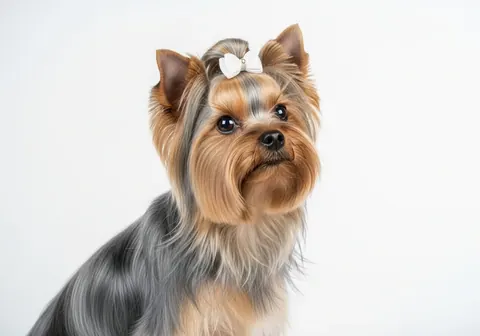

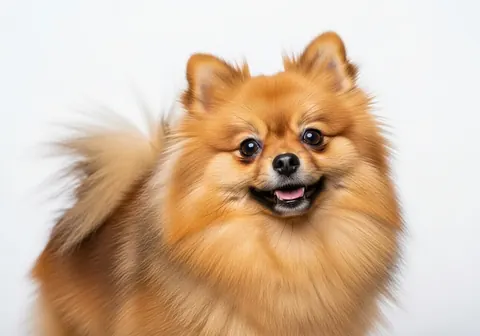

Recommended Products for Small Dogs
4-Legger Organic Hypoallergenic Shampoo
USDA-certified organic dog shampoo with aloe and lemongrass. Free of synthetic detergents, parabens, and artificial fragrance.
Bocce's Bakery Training Treats
Limited-ingredient, soft training treats baked in Brooklyn with whole foods like peanut butter, banana, and oatmeal — no preservatives.
Earth Rated Compostable Poop Bags
USDA-certified plant-based, home-compostable poop bags. Leak-proof, lavender-scented or unscented options.
Found My Animal Rope Leash
Hand-spliced cotton rope leash made in Brooklyn, NY. A portion of every sale funds shelter and rescue partners.
Open Farm Grass-Fed Beef Recipe
Pasture-raised beef recipe with humanely-sourced meat, non-GMO produce, and traceable ingredients you can look up by lot number.
Pet Honesty Multivitamin Soft Chews
10-in-1 daily multivitamin chew with glucosamine, omega-3s, probiotics, and antioxidants. NASC-certified facility.