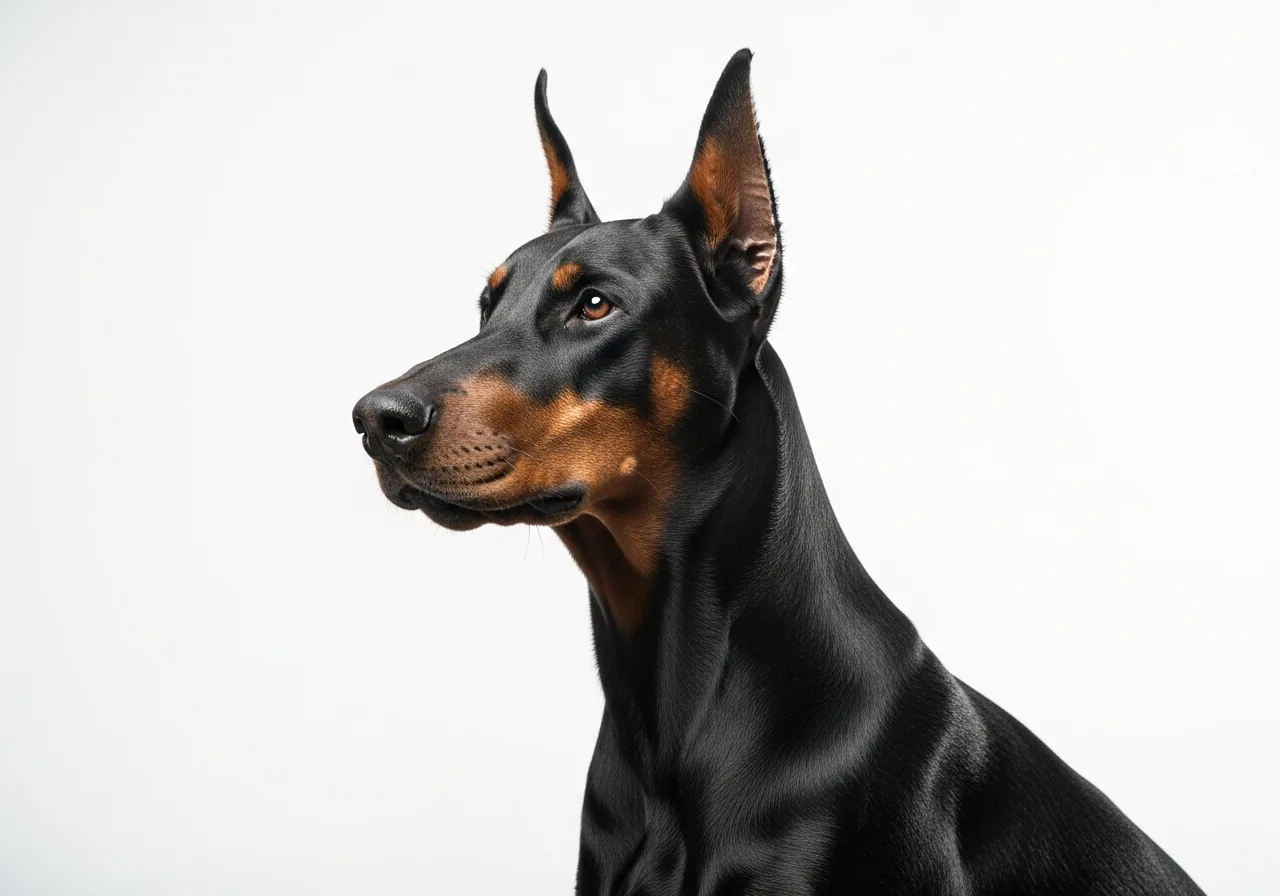
Doberman Pinscher
#15 Most PopularLast updated
Sleek, smart, and fiercely loyal: a protective companion that is affectionate at home and needs daily work.
Is the Doberman Pinscher Right For You?
YES, if you are…
Active, consistent owners who want a loyal, intelligent companion and protector and will invest time in training, exercise, and regular cardiac screening.
NO, if you are…
Owners away for long hours, people who want a dog that can live outdoors, sedentary households, and anyone unwilling to commit to training.
Fun Facts about the Doberman Pinscher
- The breed is named after Louis Dobermann, a German tax collector who created it around 1890.
- A bronze Doberman named Kurt is part of the US Marine Corps war dog memorial on Guam.
- Outside North America the breed is usually called simply the Dobermann; the American name kept 'Pinscher'.
- Dobermans come in black, red, blue, and fawn, each with rust markings.
Common Misconceptions about the Doberman Pinscher
That Dobermans are vicious by nature. Modern, well-bred Dobermans are affectionate and stable. Another misconception is that ear cropping and tail docking are required; the AKC allows natural ears, and many owners now leave them uncropped.
Quick Facts
60-100 lbs
24-28 in
10-12 years
Short
Black and Rust, Red and Rust, Blue and Rust
Low
Very High
Easy
Occasional
No
Doberman Pinscher Temperament
Loyal, Fearless, Alert
Exercise & Grooming
Exercise Needs
90+ minutes daily of vigorous activity
Grooming
Weekly brushing
Grooming Guide
The short coat needs only a weekly brush with a rubber curry or grooming mitt. Trim nails regularly, clean ears (especially natural, uncropped ones), and brush teeth several times a week. Provide a coat in cold weather.
Doberman Pinscher Health
Common Health Issues
Dilated cardiomyopathy, Von Willebrand's disease, wobbler syndrome
Diet & Nutrition
Feed a quality large-breed diet in measured meals, typically twice a day to reduce bloat risk. Keep them lean and athletic. Talk to your vet about diet choices given the breed's heart risk, and avoid unproven boutique diets.
Health Care
Dilated cardiomyopathy (DCM) is the most serious health concern in Dobermans. Ask breeders about annual cardiac screening of the parents with a 24-hour Holter monitor and echocardiogram, and screen your own dog regularly starting in young adulthood. Early detection can allow treatment before symptoms appear. Ask for a DNA test for von Willebrand disease (a bleeding disorder), plus OFA hip and thyroid results. Wobbler syndrome (a neck condition causing wobbly gait), bloat, and color dilution alopecia in blue and fawn dogs are also seen in the breed.
About the Doberman Pinscher
History
The Doberman Pinscher was created around 1890 in Apolda, in the German state of Thuringia, by Karl Friedrich Louis Dobermann, a tax collector who also ran the local dog pound. He wanted a medium-large, intelligent, protective dog to accompany him on his rounds. The exact breeds used are not documented, but the old German Pinscher, Rottweiler, Weimaraner, black and tan terriers, and herding dogs are often suggested. The breed spread quickly as a police and guard dog. The AKC recognized it in 1908. During World War II, Dobermans served with the US Marine Corps; a memorial to Marine war dogs on Guam features a Doberman.
Personality
Dobermans are smart, alert, and devoted. Many are 'velcro dogs' who want to be touching their people. With their family they are affectionate and playful; with strangers they tend to be watchful until introduced. They have strong protective instincts and high energy, which need channeling through training and exercise. Dobermans are sensitive and respond best to fair, consistent handling. They are quick learners and can excel at obedience, tracking, protection sports, and agility. A well-bred, well-raised Doberman is confident and stable, not aggressive. They thrive in homes where they are part of daily life rather than kept outside.
Living With a Doberman Pinscher
Dobermans need daily vigorous exercise and mental work. They are indoor dogs with a short coat and little body fat, so they get cold easily. They form strong bonds and may struggle with long periods alone. They can be wonderful with children and other pets when raised together and trained, though their size and enthusiasm mean supervision with small children. Their alertness makes them effective watchdogs.
Training
Dobermans are among the easiest breeds to train for owners who are consistent. Use reward-based methods and clear rules. Socialize thoroughly from puppyhood so that protectiveness stays balanced. Obedience, tracking, nosework, agility, and protection sports with reputable clubs give them a job.
Frequently Asked Questions about the Doberman Pinscher
Are Dobermans aggressive?
Not when well bred and well socialized. They are protective and watchful with strangers but typically affectionate and gentle with their families.
Are Dobermans good family dogs?
Yes, for active families who train them. They are loyal and affectionate and often good with children, though their size and energy need supervision with young kids.
How much exercise does a Doberman need?
About 90 minutes a day of vigorous activity plus mental work such as training or scent games.
What heart problems do Dobermans have?
Dilated cardiomyopathy (DCM) is common. Annual screening with a Holter monitor and echocardiogram helps detect it early, when treatment can help.
Do Dobermans shed?
Lightly. Their short coat sheds a bit year-round and is easy to maintain with weekly brushing.
Do Dobermans need their ears cropped?
No. Cropping is a cosmetic choice. Many Dobermans now keep their natural floppy ears, which the AKC standard allows.
Related Breeds




Recommended Products for Large Dogs
4-Legger Organic Hypoallergenic Shampoo
USDA-certified organic dog shampoo with aloe and lemongrass. Free of synthetic detergents, parabens, and artificial fragrance.
Big Barker Orthopedic Dog Bed
10-year warranty orthopedic bed engineered for large and giant breeds. Made in the USA from CertiPUR-US-certified foam that won't flatten.
Bocce's Bakery Training Treats
Limited-ingredient, soft training treats baked in Brooklyn with whole foods like peanut butter, banana, and oatmeal — no preservatives.
Earth Rated Compostable Poop Bags
USDA-certified plant-based, home-compostable poop bags. Leak-proof, lavender-scented or unscented options.
Found My Animal Rope Leash
Hand-spliced cotton rope leash made in Brooklyn, NY. A portion of every sale funds shelter and rescue partners.
Open Farm Grass-Fed Beef Recipe
Pasture-raised beef recipe with humanely-sourced meat, non-GMO produce, and traceable ingredients you can look up by lot number.