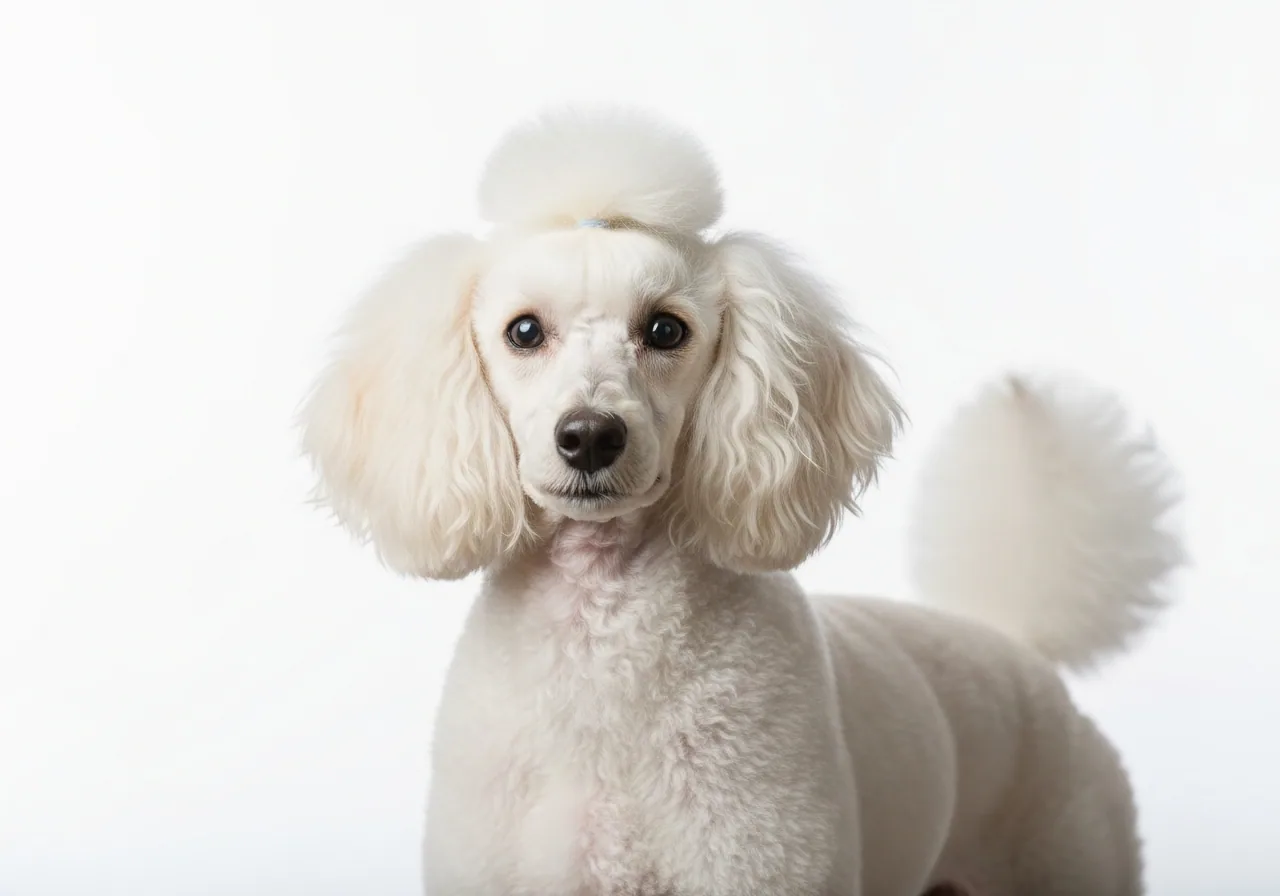
Poodle
#5 Most PopularLast updated
A brilliant, athletic water retriever in three sizes, with a low-shedding coat that needs professional care.
Is the Poodle Right For You?
YES, if you are…
People who want a smart, trainable, low-shedding dog and are happy to budget for regular grooming. Standards suit active families; Miniatures and Toys suit smaller homes and less active owners. Often a good fit for allergy sufferers.
NO, if you are…
Owners unwilling to pay for or learn grooming, people who want a dog that can be left alone for long hours, and anyone who wants a low-energy dog but chooses a Standard.
Fun Facts about the Poodle
- The name comes from the German 'pudel' or 'pudelin', meaning to splash in water.
- The traditional show clip leaves hair over the chest and joints to keep a swimming dog warm while lightening the rest of the coat.
- Poodles come in three AKC sizes, Standard, Miniature, and Toy, judged by the same standard except for height.
- Standard Poodles have competed in the Iditarod sled dog race.
Common Misconceptions about the Poodle
That Poodles are fussy or delicate. They were bred as retrievers and are tough, athletic, and outdoorsy. Another misconception is that 'hypoallergenic' means allergy-free; Poodles shed very little, which helps many allergy sufferers, but no dog is completely allergen-free.
Quick Facts
40-70 lbs
15+ in
10-18 years
Curly
Black, White, Apricot, Silver, Brown
Low
High
Easy
Occasional
Yes
Poodle Temperament
Intelligent, Active, Proud
Exercise & Grooming
Exercise Needs
60+ minutes daily
Grooming
Professional grooming every 4-6 weeks
Grooming Guide
Poodle hair grows continuously and mats if neglected. Plan on professional grooming every four to six weeks and brushing several times a week between appointments, combing right down to the skin. Many pet owners choose a short 'sporting' or 'puppy' clip that is much easier to maintain than show trims. Pluck or trim ear hair as advised by your vet and check ears weekly.
Poodle Health
Common Health Issues
Hip dysplasia, progressive retinal atrophy, bloat
Diet & Nutrition
Feed a complete diet sized to the variety: Toy and Miniature Poodles need small-breed kibble and frequent small meals as puppies to prevent low blood sugar, while Standards should eat large-breed puppy food and two meals a day to reduce bloat risk. Measure meals; Poodles are prone to weight gain if overfed.
Health Care
Health concerns differ by size. In Standard Poodles, watch for Addison's disease (vague signs like weakness and vomiting), sebaceous adenitis (a skin condition that causes hair loss), bloat, and hip dysplasia; ask breeders for hip evaluations and a skin biopsy or SA screening where available. Miniature and Toy Poodles are more prone to progressive retinal atrophy (PRA), luxating kneecaps, and Legg-Calvé-Perthes disease of the hip. Good breeders DNA-test for PRA, test eyes annually, and can explain what they screen for in their size variety. Dental disease is common in the smaller sizes, so brush teeth often. Ear infections are common because hair grows inside the ear canal.
About the Poodle
History
Although the Poodle is France's national dog, the breed almost certainly originated in Germany as a duck-hunting water retriever, where the working trim, harsh single coat, and webbed feet served the cold marsh work the breed was bred for. The name derives from the German pudeln, 'to splash in water.' French breeders refined the Standard Poodle into a circus performer, truffle hunter, and royal companion through the 17th and 18th centuries; the Toy and Miniature varieties were bred down from the Standard rather than up from smaller dogs. The Poodle Club of America was founded in 1896, and the breed is one of the few recognized in three distinct size varieties, all judged to the same standard apart from height.
Personality
Poodles suffer from a public-relations problem: the show clip makes them look frivolous, and they are anything but. The Poodle is a working water retriever, that is what 'pudel' means in German, 'to splash', and the famous continental clip was a functional working trim, with pom-poms left on joints to insulate them in cold water. Behaviorally they are among the most trainable, problem-solving dogs in existence, routinely placing in the top three of every canine cognition study. That intelligence cuts both ways. Poodles get bored faster than most owners can devise enrichment, and a bored Poodle invents games, opening doors, defeating crate latches, manipulating other household pets, that are often funnier in retrospect than at the time. Socially they are warm with their people, polite-to-aloof with strangers, and generally good with other dogs. Standards tend toward dignified goofballs, Miniatures toward bright comedians, and Toys toward intense, devoted lap-dogs. All three sizes share the same fundamental temperament: smart, sensitive, and easily wounded by harsh handling.
Living With a Poodle
Behind the fancy show clips, the Poodle is an athletic, clever dog that wants activity and attention. Standards need real exercise, such as long walks, running, swimming, and retrieving; Miniatures and Toys need less but still enjoy play and training. All three sizes are sensitive and people-oriented, and many dislike being left alone for long periods. Their intelligence is a double-edged sword: a bored Poodle invents its own games and quickly learns how to get your attention. Daily training or puzzle toys help a lot. Poodles are often reserved with strangers and can be alert barkers, but they are usually gentle and devoted with their families.
Training
Poodles are among the easiest breeds to train and excel at obedience, agility, rally, and tricks. Keep sessions varied and fun; they get bored with repetition. Positive reinforcement works best because they are sensitive to harsh handling. Socialize widely as a puppy so that natural reserve does not become shyness. Get them used to grooming early: handling feet, ears, and face, and standing on a table.
Frequently Asked Questions about the Poodle
Are Poodles hypoallergenic?
Poodles shed very little, so less dander ends up around the house, and many people with dog allergies tolerate them well. No breed is completely allergen-free, so spend time with Poodles before committing if allergies are a concern.
What is the difference between Standard, Miniature, and Toy Poodles?
Size. Standards are over 15 inches at the shoulder, Miniatures 10 to 15 inches, and Toys 10 inches or under. Standards are the most athletic; smaller sizes need less space and exercise but have their own health concerns.
How often do Poodles need grooming?
Every four to six weeks with a professional groomer, plus brushing at home several times a week. A short clip makes home care much easier.
Are Poodles smart?
Very. Poodles are consistently ranked among the most intelligent and trainable breeds. That also means they need mental stimulation to stay out of trouble.
Are Poodles good family dogs?
Yes. Poodles are affectionate, playful, and gentle with their families. Standards are sturdy enough for active households with children; Toys are fragile and better with older kids.
Why do Poodles have that famous haircut?
The classic clip started as a practical trim for working water dogs: hair was left over the chest and joints for warmth and removed elsewhere to help them swim. Pet Poodles can wear any clip; many owners choose a simple short trim.
Related Breeds
Recommended Products for Medium Dogs
4-Legger Organic Hypoallergenic Shampoo
USDA-certified organic dog shampoo with aloe and lemongrass. Free of synthetic detergents, parabens, and artificial fragrance.
Bocce's Bakery Training Treats
Limited-ingredient, soft training treats baked in Brooklyn with whole foods like peanut butter, banana, and oatmeal — no preservatives.
Earth Rated Compostable Poop Bags
USDA-certified plant-based, home-compostable poop bags. Leak-proof, lavender-scented or unscented options.
Found My Animal Rope Leash
Hand-spliced cotton rope leash made in Brooklyn, NY. A portion of every sale funds shelter and rescue partners.
Open Farm Grass-Fed Beef Recipe
Pasture-raised beef recipe with humanely-sourced meat, non-GMO produce, and traceable ingredients you can look up by lot number.
Pet Honesty Multivitamin Soft Chews
10-in-1 daily multivitamin chew with glucosamine, omega-3s, probiotics, and antioxidants. NASC-certified facility.