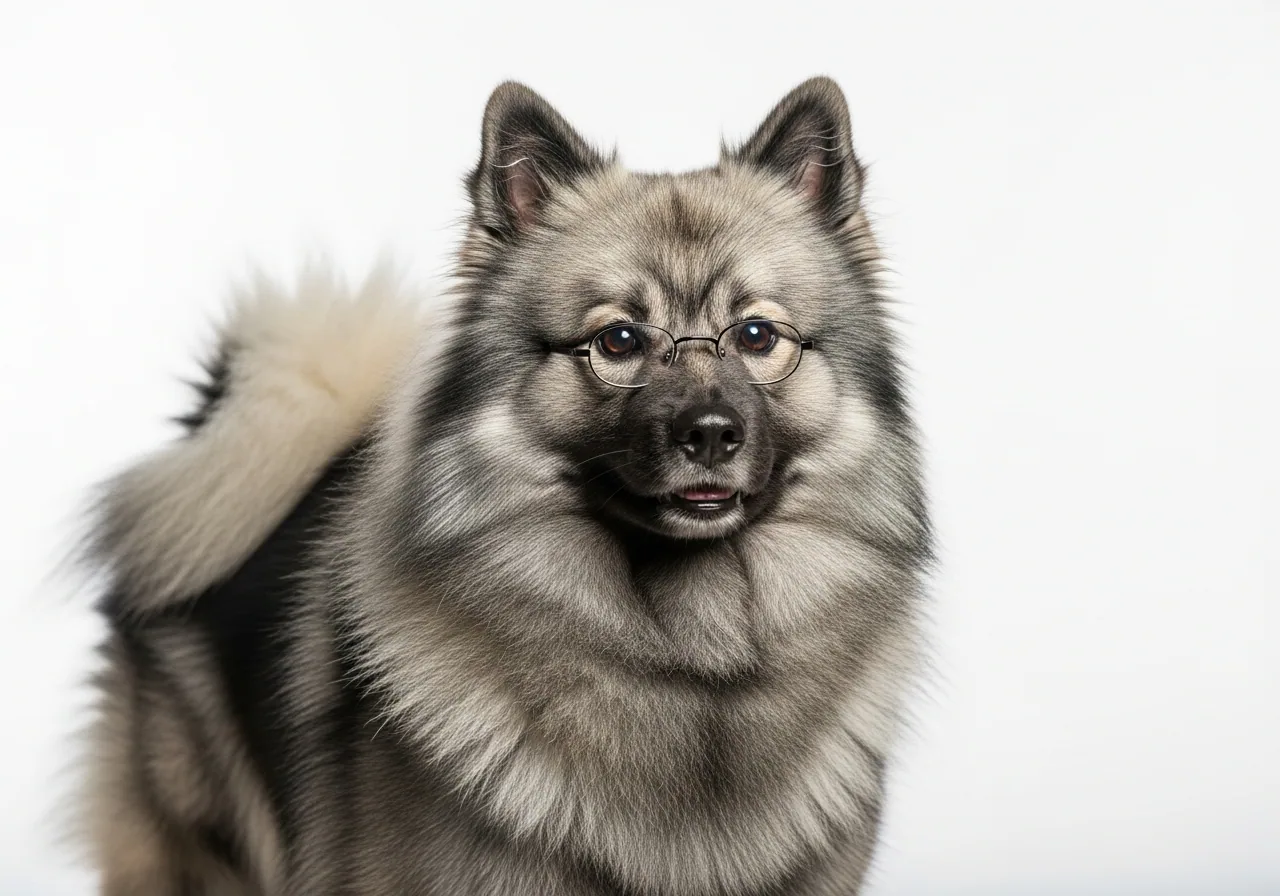
Keeshond
#87 Most PopularLast updated
Is the Keeshond Right For You?
YES, if you are…
Active individuals or families with moderate space. Owners who want a steady companion without committing to high-octane daily workouts. First-time and seasoned owners alike, provided they commit to consistent positive-reinforcement training. Families with respectful children are usually a great fit. Adaptable enough for apartment living when daily exercise is non-negotiable. Above all, the ideal Keeshond owner understands the breed's non-sporting-group heritage from Netherlands and is prepared to honor those instincts with appropriate outlets, structure, and the kind of patient, daily commitment this breed deserves.
NO, if you are…
Owners looking for a tiny lap dog or a giant guardian. Owners at the extremes, people who want a true couch potato or a tireless endurance athlete should look at breeds outside the moderate-energy range. Anyone who plans to skip foundational obedience entirely, even an "easy" breed needs structure to thrive. Apartment dwellers in noise-restrictive buildings, or owners who need long stretches of quiet for work-from-home calls. Owners who can't tolerate hair on furniture, clothing, and floors year-round. Anyone unwilling to research the specific health risks common in the Keeshond (notably hip dysplasia and patellar luxation) and budget for the preventive care that follows.
Fun Facts about the Keeshond
- Keeshonden have distinctive 'spectacles', markings around their eyes that look like glasses.
- The Keeshond originated in Netherlands, where the breed was developed for purposes that still influence their behavior today.
- As a Non-Sporting Group breed, the Keeshond shares structural and temperamental traits with other breeds developed for the same kind of work.
- A typical Keeshond lifespan is 12-15 years, meaning families should plan for that full commitment when bringing one home.
Common Misconceptions about the Keeshond
Because the Non-Sporting Group is so diverse, generalizations about them rarely hold. Each breed in this group has its own purpose and needs, assuming one Non-Sporting breed is like another is a setup for surprise. Don't assume a "moderate energy" label like the Keeshond's means a couch-potato dog, moderate-energy breeds still need consistent daily activity to stay balanced and prevent boredom-driven habits. One specific point worth correcting about the Keeshond: their Netherlands origin and non-sporting-group heritage shape behavior in ways the casual observer often misses, including their reaction to hip dysplasia risks and the level of socialization they actually need from puppyhood onward.
Quick Facts
35-45 lbs
17-18 in
12-15 years
Double
A mixture of gray, black, and cream
Very High
Moderate
Easy
Frequent
Yes
Keeshond Temperament
Friendly, Lively, Outgoing
Exercise & Grooming
Exercise Needs
30-45 minutes daily
Grooming
Brushing 2-3 times per week
Grooming Guide
Brushing 2-3 times per week. Coat care is centered on brushing 2-3 times per week. Never shave a double coat, it disrupts the breed's natural temperature regulation and rarely grows back correctly. Expect heavy year-round shedding from their double coat with two intense "blowout" seasons each year, invest in a good vacuum and a deshedding tool. Trim nails every 3–4 weeks, check ears weekly for redness or odor, and brush teeth daily or use vet-approved dental chews.
Keeshond Health
Common Health Issues
Hip dysplasia, patellar luxation, hypothyroidism
Diet & Nutrition
Feed a high-quality, AAFCO-certified diet appropriate for the Keeshond's life stage and medium size. Because their energy level is moderate, it's easy for this breed to become overweight; measure portions and skip the constant treat-feeding. Small breeds can be prone to hypoglycemia as puppies, multiple smaller meals per day during the first six months helps prevent it.
Health Care
The Keeshond has an average lifespan of 12-15 years, which is their long lifespan means a 12-to-16-year commitment is realistic, a meaningful chapter of any owner's life. Breed-specific concerns to discuss with your vet include: hip dysplasia, patellar luxation, hypothyroidism. Reputable breeders screen breeding stock for these conditions, so always ask to see health clearances before committing to a puppy. Beyond breed-specific issues, follow the standards of good preventative care: a core vaccine schedule, year-round parasite prevention, regular dental cleaning, and an annual senior workup once your dog passes the midpoint of their expected lifespan. Watch their weight closely, even a few extra pounds shortens lifespan and worsens any joint or cardiac issues.
About the Keeshond
History
The Keeshond's lineage traces back to Netherlands, where the breed was developed for filling a variety of specialized roles before joining the modern companion-dog landscape. Centuries of selective work shaped the temperament, structure, and instincts you see in the breed today, and many of those original drives remain, even in dogs that will spend their lives as family companions. As a member of the Non-Sporting Group, a diverse category of breeds that don't fit neatly into the other working classifications, the Keeshond carries hallmark traits of the group, visible in everything from how they move to how they read situations. The Keeshond sits in the middle of the popularity charts, well-known to dog enthusiasts but not so common that they've been over-bred by careless breeders. An often-cited piece of breed history: Keeshonden have distinctive 'spectacles', markings around their eyes that look like glasses.
Personality
Owners who live with the Keeshond consistently describe them as friendly, lively and outgoing, a personality shaped by generations of purposeful breeding. In daily life this shows up as balanced energy, playful when invited, calm when at rest, paired with a temperament that is eager to learn and quick to pick up new commands. With family they are excellent with children, generally great with other dogs, and excellent with new people; they're vocal and quick to alert you to anything new. They can adapt to apartment living when their daily activity needs are met, but a tired dog is the real prerequisite, not square footage. Their medium build strikes a practical balance, sturdy enough for active families, manageable enough for most living situations. Above all, the Keeshond thrives when their physical and mental needs are taken seriously, under-stimulated, even the gentlest individuals can develop frustrating habits, while a well-exercised, mentally engaged Keeshond is genuinely one of the best companions you can ask for.
Living With a Keeshond
Plan on 30–60 minutes of daily activity, enough to take the edge off and keep them content. They can adapt to apartment living when their daily activity needs are met, but a tired dog is the real prerequisite, not square footage. Within the household, expect a dog who is excellent with kids when both are taught to respect each other and generally great with cats. On the noise front, they're vocal and quick to alert you to anything new, important to factor in if you have close neighbors or work-from-home calls. Their long lifespan means a 12-to-16-year commitment is realistic, a meaningful chapter of any owner's life.
Training
Keeshonds are eager to learn and quick to pick up new commands. Positive-reinforcement methods, food, play, and genuine praise, work far better than corrections; this breed in particular shuts down or grows resistant under harsh handling. Their moderate energy means short, focused 10–15 minute training sessions yield the best results. Early, frequent, and varied socialization between 8 and 16 weeks is critical, especially given their naturally social disposition toward strangers. Specifically work on a "quiet" cue from puppyhood, left untrained, this breed's vocal nature can become a real lifestyle issue.
Frequently Asked Questions about the Keeshond
Is the Keeshond a good family dog?
Yes, the Keeshond is generally an excellent family dog. With children they are excellent with children, and they're vocal and quick to alert you to anything new. As with any breed, success depends on early socialization, supervised interactions, and teaching children how to respect the dog's space.
How much exercise does a Keeshond need?
Plan on 30–60 minutes of daily activity, enough to take the edge off and keep them content. Plan for daily, structured activity rather than relying on backyard time alone, under-exercised Keeshonds commonly develop boredom-driven habits like chewing, digging, or excessive vocalization.
Are Keeshonds easy to train?
Keeshonds are eager to learn and quick to pick up new commands. Positive-reinforcement methods, food, play, and genuine praise, work far better than corrections. Start training in puppyhood and keep sessions short and frequent.
How much do Keeshonds shed?
Expect heavy year-round shedding from their double coat with two intense "blowout" seasons each year, invest in a good vacuum and a deshedding tool.
What is the lifespan of a Keeshond?
The typical Keeshond lifespan is 12-15 years. Their long lifespan means a 12-to-16-year commitment is realistic, a meaningful chapter of any owner's life. Common breed-specific health concerns to discuss with your vet include: hip dysplasia, patellar luxation, hypothyroidism.
Can Keeshonds live in an apartment?
They can adapt to apartment living when their daily activity needs are met, but a tired dog is the real prerequisite, not square footage.
Is the Keeshond good with other dogs?
The Keeshond is generally great with other dogs. Early, ongoing socialization between 8 and 16 weeks is critical, and adult introductions should always be on neutral ground with both dogs on loose leashes.
Related Breeds




Recommended Products for Medium Dogs
4-Legger Organic Hypoallergenic Shampoo
USDA-certified organic dog shampoo with aloe and lemongrass. Free of synthetic detergents, parabens, and artificial fragrance.
Bocce's Bakery Training Treats
Limited-ingredient, soft training treats baked in Brooklyn with whole foods like peanut butter, banana, and oatmeal — no preservatives.
Earth Rated Compostable Poop Bags
USDA-certified plant-based, home-compostable poop bags. Leak-proof, lavender-scented or unscented options.
Found My Animal Rope Leash
Hand-spliced cotton rope leash made in Brooklyn, NY. A portion of every sale funds shelter and rescue partners.
Open Farm Grass-Fed Beef Recipe
Pasture-raised beef recipe with humanely-sourced meat, non-GMO produce, and traceable ingredients you can look up by lot number.
Pet Honesty Multivitamin Soft Chews
10-in-1 daily multivitamin chew with glucosamine, omega-3s, probiotics, and antioxidants. NASC-certified facility.