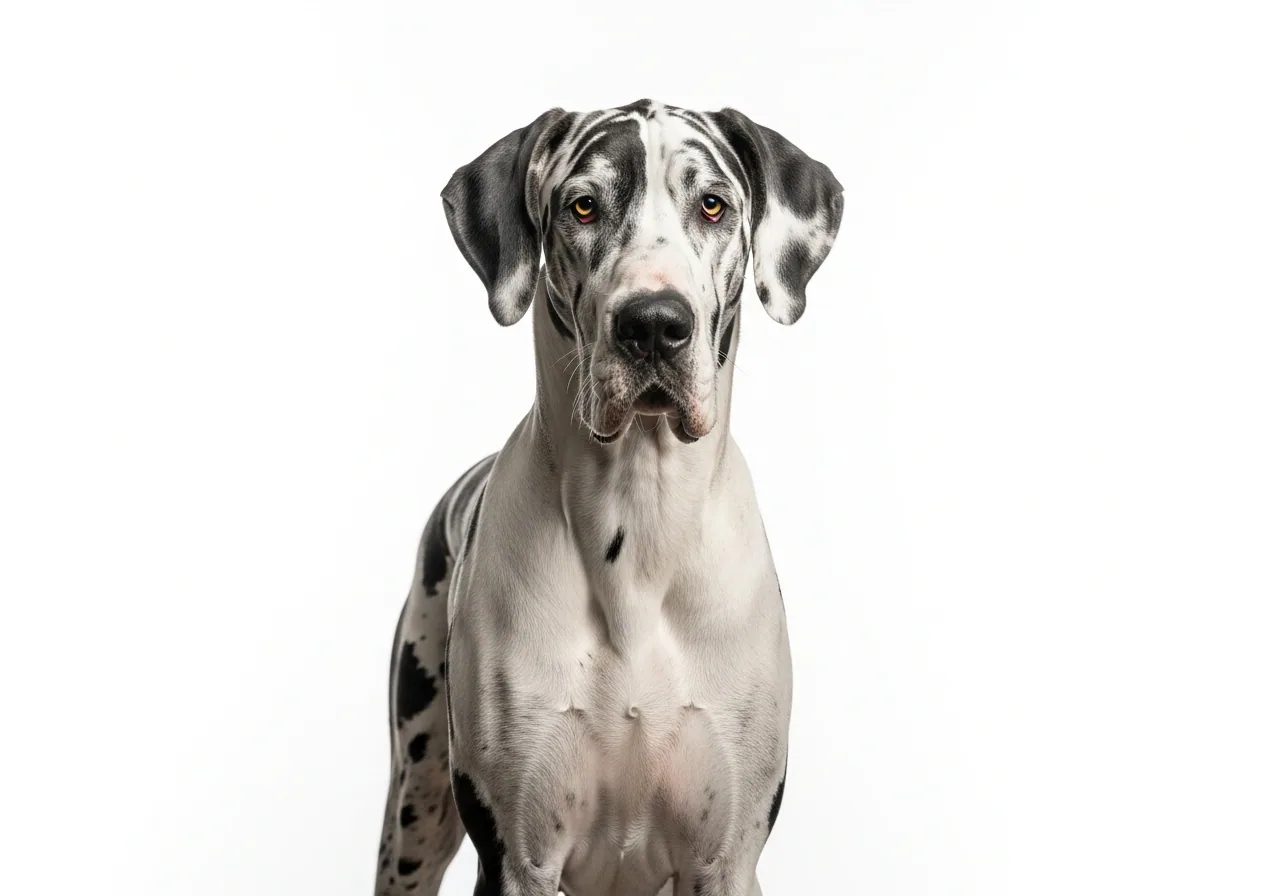
Great Dane
#19 Most PopularLast updated
A gentle giant: affectionate, calm, and surprisingly sensitive, with a short lifespan and real giant-breed health needs.
Is the Great Dane Right For You?
YES, if you are…
People with space and budget for a giant dog who want a gentle, affectionate companion and can manage training, health care, and a shorter lifespan.
NO, if you are…
Small homes with lots of stairs, tight budgets, owners who can't handle a very large dog, and people who want a dog for jogging.
Fun Facts about the Great Dane
- Germany declared the Great Dane its national dog in 1876.
- Great Danes have repeatedly held the Guinness World Record for the tallest dog.
- Scooby-Doo and Marmaduke are both Great Danes.
- In Germany the breed is called the Deutsche Dogge, meaning German mastiff.
Common Misconceptions about the Great Dane
That giant dogs need huge amounts of exercise. Adult Danes need moderate daily exercise and are often couch potatoes. Another misconception is that more food means a bigger, healthier dog; overfeeding puppies can cause bone and joint problems.
Quick Facts
110-175 lbs
28-32 in
7-10 years
Short
Fawn, Brindle, Blue, Black, Harlequin, Mantle
Moderate
Moderate
Easy
Occasional
No
Great Dane Temperament
Friendly, Patient, Dependable
Exercise & Grooming
Exercise Needs
45-60 minutes daily moderate exercise
Grooming
Weekly brushing
Grooming Guide
The short coat needs a weekly brush and sheds moderately. Wipe drool as needed, clean ears, trim nails regularly (long nails affect a giant dog's posture), and brush teeth several times a week.
Great Dane Health
Common Health Issues
Bloat, hip dysplasia, heart disease
Diet & Nutrition
Feed a giant-breed puppy formula to support slow, steady growth, and avoid calcium supplements unless your vet recommends them. Divide food into two or three meals a day and avoid vigorous exercise around mealtimes to reduce bloat risk. Keep adults lean.
Health Care
Bloat (gastric dilatation-volvulus) is a leading cause of death in Great Danes. Learn the signs (swollen belly, retching without vomiting, restlessness) and talk to your vet about a preventive gastropexy, often done during spay or neuter. Ask breeders for OFA hip results, a cardiac exam, eye exam, and thyroid results. Dilated cardiomyopathy, wobbler syndrome, and osteosarcoma are seen in the breed. Great Danes have a relatively short lifespan, typically 7 to 10 years.
About the Great Dane
History
Despite the name, the Great Dane was developed in Germany, where it is called the Deutsche Dogge. Its ancestors were powerful boarhounds kept by German nobility to hunt wild boar and guard estates. Over time, breeders refined the dog into a more elegant estate guardian and companion. Germany declared the Great Dane its national dog in 1876. The breed came to the US in the late 1800s, and the AKC recognized it in 1887.
Personality
Great Danes are known as gentle giants. Most are affectionate, easygoing, and want to lean on their people or sit in laps they don't fit in. They are typically friendly with visitors once introduced, and usually good with children and other pets. They can be sensitive and respond best to calm, positive training. Their size makes good manners essential: a jumping Dane can easily knock people over. Adult Danes are usually calm indoors, though puppies and adolescents are clumsy and energetic. They are good watchdogs thanks to their deep bark and imposing size, but rarely aggressive.
Living With a Great Dane
Great Danes need space to move around, a big car, and a big bed. Despite their size, many adapt to apartments if they get daily walks, but stairs and tight spaces can be a challenge. Their tails can clear coffee tables. Puppies grow fast and should not be over-exercised; avoid forced running and repetitive jumping until growth plates close. Expect drool, especially after drinking. Costs for food, medication, and equipment are higher than for most breeds.
Training
Start training early, while the puppy is still small enough to manage. Focus on leash manners, polite greetings, and a solid 'off'. Use positive, consistent methods; Danes are sensitive and shut down with harsh handling. Socialize widely to build confidence.
Frequently Asked Questions about the Great Dane
How long do Great Danes live?
Typically 7 to 10 years, shorter than most breeds. Good care, a lean body, and attention to bloat and heart health help.
Are Great Danes good family dogs?
Yes. They are usually gentle and patient, but their size means supervision with small children and training to avoid knocking people over.
How much exercise does a Great Dane need?
About 45 to 60 minutes of moderate exercise a day for adults. Puppies should avoid forced running and repetitive jumping while they grow.
Can Great Danes live in apartments?
Some do well if they get daily walks, but they need room to move and stretch out. Stairs and elevators can be challenging.
What is bloat in Great Danes?
Bloat is when the stomach fills with gas and may twist. It is a life-threatening emergency. Signs include a swollen belly, unproductive retching, and restlessness.
How big do Great Danes get?
Males are typically 30 to 32 inches tall and 140 to 175 pounds; females 28 to 30 inches and 110 to 140 pounds.
Related Breeds
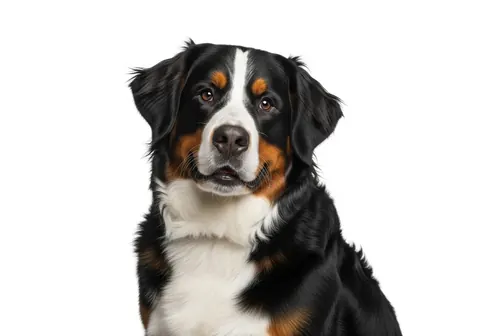
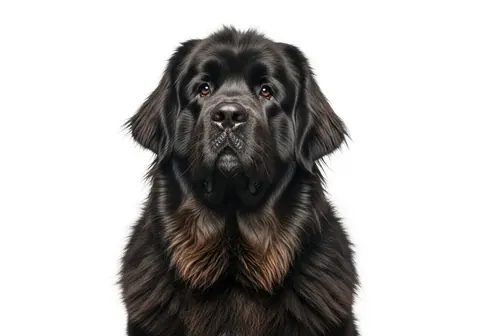
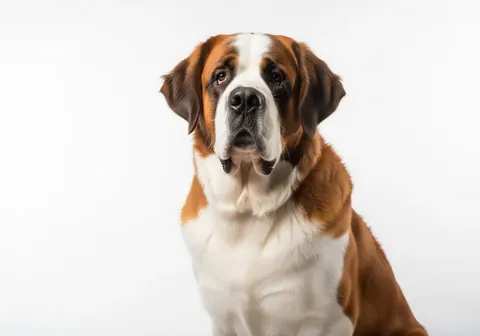
Recommended Products for Giant Dogs
4-Legger Organic Hypoallergenic Shampoo
USDA-certified organic dog shampoo with aloe and lemongrass. Free of synthetic detergents, parabens, and artificial fragrance.
Big Barker Orthopedic Dog Bed
10-year warranty orthopedic bed engineered for large and giant breeds. Made in the USA from CertiPUR-US-certified foam that won't flatten.
Earth Rated Compostable Poop Bags
USDA-certified plant-based, home-compostable poop bags. Leak-proof, lavender-scented or unscented options.
Found My Animal Rope Leash
Hand-spliced cotton rope leash made in Brooklyn, NY. A portion of every sale funds shelter and rescue partners.
Open Farm Grass-Fed Beef Recipe
Pasture-raised beef recipe with humanely-sourced meat, non-GMO produce, and traceable ingredients you can look up by lot number.
Pet Honesty Multivitamin Soft Chews
10-in-1 daily multivitamin chew with glucosamine, omega-3s, probiotics, and antioxidants. NASC-certified facility.