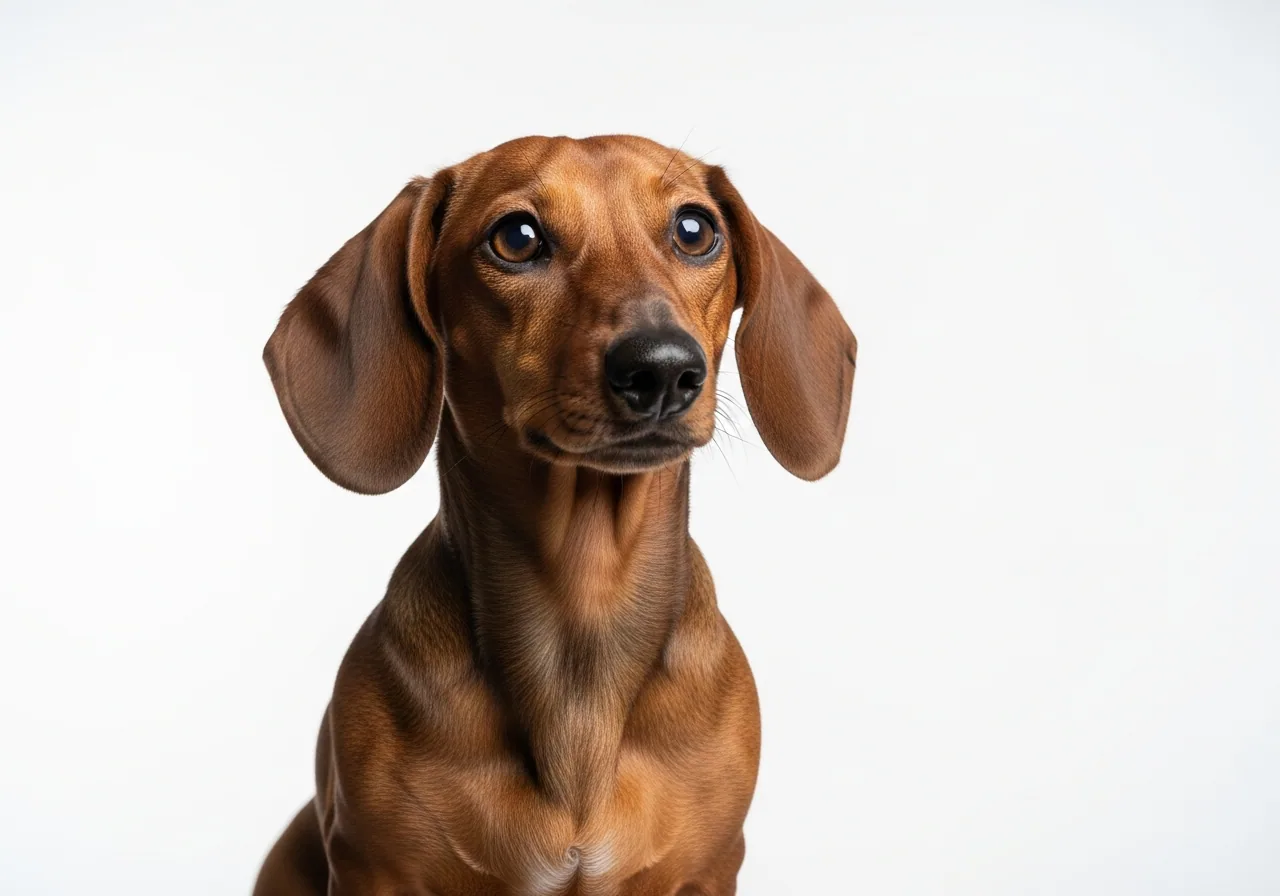
Dachshund
#9 Most PopularLast updated
A bold, clever little badger hound with a long back to protect and a big personality to match.
Is the Dachshund Right For You?
YES, if you are…
People who want a small but spirited companion with plenty of personality, and who will manage weight and protect the dog's back. Good for apartments and homes with older children.
NO, if you are…
Homes with lots of stairs and no plan to manage them, families with very young children who may lift the dog incorrectly, and owners who want a quiet dog that never barks.
Fun Facts about the Dachshund
- 'Dachshund' means 'badger dog' in German.
- A striped Dachshund named Waldi was the first official Olympic mascot, for the 1972 Munich Games.
- Dachshunds come in three coat types, smooth, longhaired, and wirehaired, and two sizes, standard and miniature.
- Pablo Picasso's Dachshund, Lump, appears in several of his paintings.
Common Misconceptions about the Dachshund
That their small size means they are a lap dog only. Dachshunds were bred to hunt badgers and remain brave, determined, and tenacious. Another myth is that back problems are just bad luck; genetics play a big part, but keeping a Dachshund lean and limiting jumping makes a real difference.
Quick Facts
16-32 lbs
8-9 in
12-16 years
Short
Red, Black and Tan, Chocolate
Low
Moderate
Challenging
Frequent
Yes
Dachshund Temperament
Clever, Stubborn, Devoted
Exercise & Grooming
Exercise Needs
Moderate daily walks, avoid jumping
Grooming
Weekly brushing
Grooming Guide
Grooming depends on coat: smooths need a weekly wipe or brush, longhairs need brushing several times a week to prevent tangles, and wirehairs need brushing plus hand-stripping a few times a year. All need regular nail trims, ear checks, and frequent tooth brushing.
Dachshund Health
Common Health Issues
Intervertebral disc disease, obesity, dental issues
Diet & Nutrition
Weight control is the most important part of feeding a Dachshund, because even a few extra pounds put strain on the spine. Measure every meal, choose a small-breed diet, and keep treats small. Dental chews and regular tooth brushing help with the breed's tendency toward dental disease.
Health Care
Intervertebral disc disease (IVDD) is the breed's biggest health risk; a large share of Dachshunds develop back problems in their lifetime. Signs include a hunched back, reluctance to move, crying out when picked up, wobbliness, or sudden weakness in the back legs, which is an emergency. Lean body weight and ramps reduce strain. Other concerns include progressive retinal atrophy (especially in miniature longhairs, with a DNA test available), Lafora disease (a form of epilepsy in miniature wirehairs, also DNA-testable), dental disease, and Cushing's disease in older dogs. Ask breeders what they test for in their variety.
About the Dachshund
History
The Dachshund was developed in Germany at least four hundred years ago, the name literally means 'badger dog' (Dachs + Hund). Foresters bred them with elongated bodies and powerful front digging feet specifically to follow badgers, foxes, and rabbits into their burrows and either drive them out or hold them at bay until the hunter could dig down. Standards were used on badgers, the Miniature variety on rabbits and smaller game. Both wirehaired and longhaired coats were developed by crossing the original smooths with terriers and spaniels respectively, in the 19th century. The breed was nearly wiped out in the United States during World War I due to anti-German sentiment but recovered to become one of the most popular breeds in the country, where it now serves almost entirely as a companion.
Personality
Dachshunds are scenthounds in a small, elongated body bred to confront badgers underground, and that origin story explains almost everything about the breed's behavior. They are bold beyond their size, deeply prey-driven, and selectively deaf to commands they would prefer to ignore, qualities that were essential when working alone in a tunnel against a 30-pound mustelid, and slightly less ideal in a modern living room. With their household Dachshunds are devoted, often choosing one person to attach to most intensely. They are surprisingly good with respectful children and bonded family dogs, but they can be touchy with strangers and outright hostile with unfamiliar dogs, especially same-sex. Early, ongoing socialization is non-negotiable. They are vocal, the bark is famously large for the body, and they are persistent diggers, owing to that badger-tunneling heritage. Owners who try to suppress the digging entirely usually fail; owners who provide a sandpit or designated dig zone usually succeed. Dachshunds reward owners who work with their instincts rather than against them.
Living With a Dachshund
Dachshunds are loyal and affectionate with their people and often bond strongly to one person. They are bold, curious, and can be wary of strangers, which makes them surprisingly loud watchdogs. Many love to burrow under blankets. Their long back is the main thing to plan around. Discourage jumping on and off furniture, use ramps or steps, carry them on stairs when possible, and support both ends of the body when lifting. Keep them lean. They enjoy walks and sniffing but are not built for long runs. Some are hard to house-train and dislike rain and cold.
Training
Dachshunds are smart and independent, bred to make decisions underground without human help. Keep training short, fun, and food-based, and be patient with house training; a consistent schedule and crate help a lot. Socialize early to reduce suspicion of strangers. Earthdog trials and scent games suit their instincts. Teach a calm 'off' for furniture to protect their backs.
Frequently Asked Questions about the Dachshund
Are Dachshunds prone to back problems?
Yes. Their long spine makes them prone to intervertebral disc disease. Keep them lean, use ramps for furniture and cars, avoid lots of stairs, and seek vet help immediately for back pain or weakness.
Are Dachshunds good with kids?
They can be with respectful, older children. Young kids may pick them up incorrectly or play roughly, which can injure a Dachshund's back or make the dog defensive.
Do Dachshunds bark a lot?
Often, yes. They are alert watchdogs with a surprisingly loud bark. Training and enough mental stimulation can help.
What is the difference between standard and miniature Dachshunds?
Size. Standards usually weigh 16 to 32 pounds; miniatures weigh 11 pounds or less as adults. Temperament and care are similar.
Are Dachshunds hard to house-train?
They have a reputation for it. A consistent schedule, crate training, lots of praise, and patience, especially in bad weather, usually get the job done.
How long do Dachshunds live?
Dachshunds often live 12 to 16 years, making them one of the longer-lived breeds.
Related Breeds

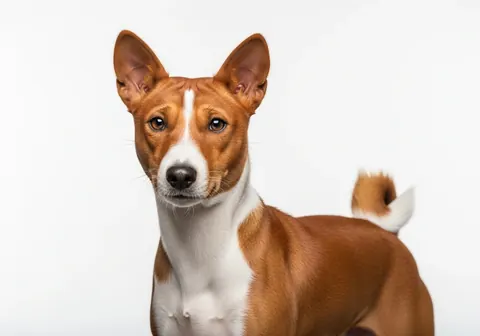
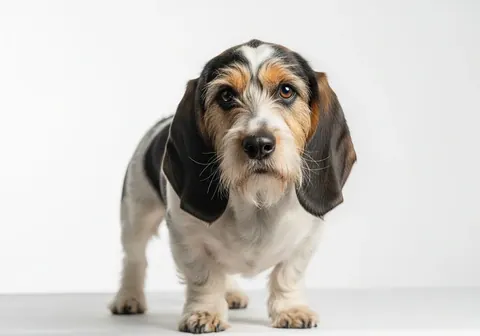
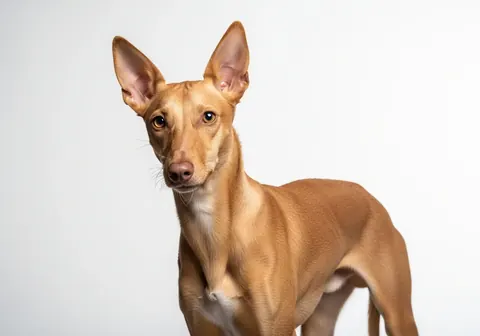
Recommended Products for Small Dogs
4-Legger Organic Hypoallergenic Shampoo
USDA-certified organic dog shampoo with aloe and lemongrass. Free of synthetic detergents, parabens, and artificial fragrance.
Bocce's Bakery Training Treats
Limited-ingredient, soft training treats baked in Brooklyn with whole foods like peanut butter, banana, and oatmeal — no preservatives.
Earth Rated Compostable Poop Bags
USDA-certified plant-based, home-compostable poop bags. Leak-proof, lavender-scented or unscented options.
Found My Animal Rope Leash
Hand-spliced cotton rope leash made in Brooklyn, NY. A portion of every sale funds shelter and rescue partners.
Open Farm Grass-Fed Beef Recipe
Pasture-raised beef recipe with humanely-sourced meat, non-GMO produce, and traceable ingredients you can look up by lot number.
Pet Honesty Multivitamin Soft Chews
10-in-1 daily multivitamin chew with glucosamine, omega-3s, probiotics, and antioxidants. NASC-certified facility.