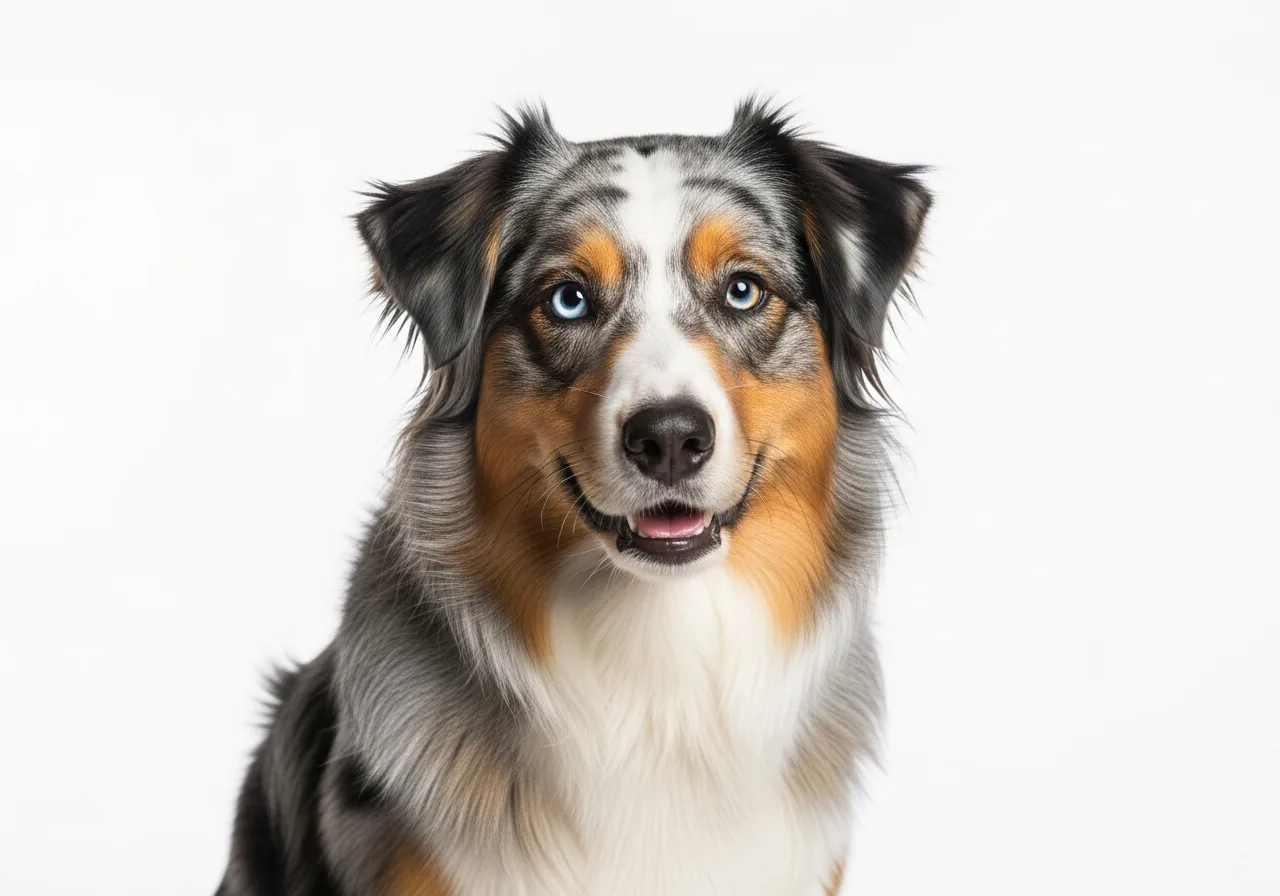
Australian Shepherd
#12 Most PopularLast updated
A brilliant, high-drive herding dog from the American West that needs a job and an owner who loves to stay busy.
Is the Australian Shepherd Right For You?
YES, if you are…
Very active people and families who love training, outdoor activities, or dog sports, and want a smart, devoted partner. Great for rural homes and anyone who wants a dog to do things with.
NO, if you are…
Apartment living without lots of outdoor time, owners who work long hours away from home, people who want a low-energy companion, and homes not prepared for heavy shedding.
Fun Facts about the Australian Shepherd
- Despite the name, the Australian Shepherd was developed in the United States.
- Many Aussies have eyes of two different colors, and some have eyes split between two colors.
- Jay Sisler's trick-performing Aussies became rodeo celebrities in the 1950s and 1960s.
- Aussies are commonly born with naturally short tails; the breed has a gene for natural bobtails.
Common Misconceptions about the Australian Shepherd
That they come from Australia; the breed was developed in the American West. Another misconception is that a backyard is enough exercise. Aussies need active time with their people, and mental challenges, to be calm at home.
Quick Facts
40-65 lbs
18-23 in
12-15 years
Medium
Blue Merle, Red Merle, Black, Red
High
Very High
Easy
Frequent
No
Australian Shepherd Temperament
Smart, Work-Oriented, Exuberant
Exercise & Grooming
Exercise Needs
90+ minutes daily of vigorous activity
Grooming
Brushing 2-3 times per week
Grooming Guide
Brush two to three times a week with a slicker brush and undercoat rake, paying attention to the feathering behind the ears, the pants, and the tail. Brush daily during seasonal sheds. Do not shave the double coat. Trim nails, check ears, and brush teeth regularly.
Australian Shepherd Health
Common Health Issues
Hip dysplasia, epilepsy, eye defects
Diet & Nutrition
Feed a quality diet that matches activity level; working or sport Aussies need more than less active pets. Measure portions and adjust to keep a lean, athletic shape. Use food in training and puzzle toys to add mental stimulation to mealtimes.
Health Care
Ask breeders for OFA hip and elbow results, an eye exam, and DNA tests for MDR1, hereditary cataracts (HSF4), and progressive retinal atrophy. The MDR1 mutation makes dogs sensitive to certain common drugs, including some antiparasitic and anti-diarrhea medications, so tell your vet your dog's MDR1 status. Epilepsy occurs in the breed. Avoid puppies from merle-to-merle breedings: 'double merles' have a high risk of deafness and blindness. Aussies are otherwise a fairly robust breed when bred carefully.
About the Australian Shepherd
History
Despite its name, the Australian Shepherd was developed in the western United States. Its ancestors likely included herding dogs that arrived with sheep imported from Australia in the 1800s, possibly alongside Basque shepherds, and ranchers in California and the Rocky Mountain states then bred them for working stock in tough terrain and climate. The breed's popularity grew after World War II through rodeos, horse shows, and films. Jay Sisler's trick-performing Aussies toured rodeos in the 1950s and 1960s and appeared in films. Breed clubs formed in the 1950s and later, and the AKC recognized the Australian Shepherd in 1993. A smaller version was later recognized separately as the Miniature American Shepherd.
Personality
Aussies are intensely smart, energetic, and eager to work. They watch everything, learn routines quickly, and tend to bond very closely with their family, often shadowing one person around the house. Many are reserved or protective with strangers, which is part of their working heritage. With the right outlet, they are a joy: affectionate, playful, and up for any adventure. Without one, they become restless and anxious, and may herd kids, chase cars, or chew. Their herding instinct can include nipping at heels. Australian Shepherds thrive when their days include real exercise and something to think about, such as herding, agility, frisbee, obedience, or advanced trick training. They are a great match for active owners and a frustrating one for people who want a calm house dog.
Living With a Australian Shepherd
Expect a dog that wants to be with you and doing something, every day. Aussies need lots of exercise and mental work, and are happiest with a yard and an owner who hikes, runs, or trains. They shed heavily, especially twice a year. Many are sensitive to sound and movement and can be reactive to fast-moving things like bikes or kids running if not trained. They can be wonderful with children when raised with them and taught not to herd. Early socialization helps balance their natural reserve with strangers. They do not do well left alone for long workdays.
Training
Aussies learn extremely quickly, so they also learn bad habits quickly. Use positive, engaging training and give them a job. Teach impulse control early: settling on a mat, waiting at doors, and not chasing moving things. Socialize widely. Herding, agility, frisbee, flyball, obedience, and scent work are all excellent outlets.
Frequently Asked Questions about the Australian Shepherd
How much exercise does an Australian Shepherd need?
A lot: plan on 90 minutes or more of activity a day, mixing physical exercise with training or herding-style games. Without it, Aussies often become anxious or destructive.
Are Australian Shepherds good family dogs?
Yes, for active families. They are loyal and affectionate but may try to herd children and need lots of activity and structure.
Do Australian Shepherds shed a lot?
Yes. Their medium-length double coat sheds year-round and heavily in spring and fall. Regular brushing helps.
What is the MDR1 gene in Australian Shepherds?
A gene mutation that makes some dogs sensitive to certain common medications. A simple DNA test tells you your dog's status so your vet can choose safe drugs.
Are Australian Shepherds good for first-time owners?
They can be for very active first-timers who are committed to training, but their intelligence and energy make them demanding. Many first-time owners find them a lot to handle.
Why shouldn't two merle Aussies be bred together?
Puppies who inherit two copies of the merle gene, called double merles, have a high risk of being deaf, blind, or both. Responsible breeders never breed merle to merle.
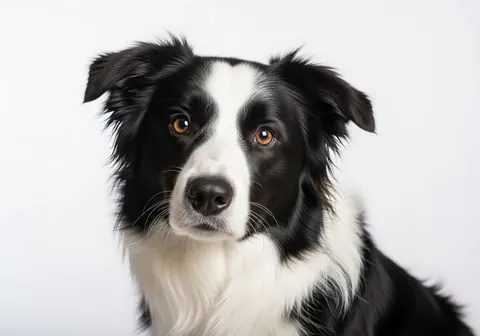
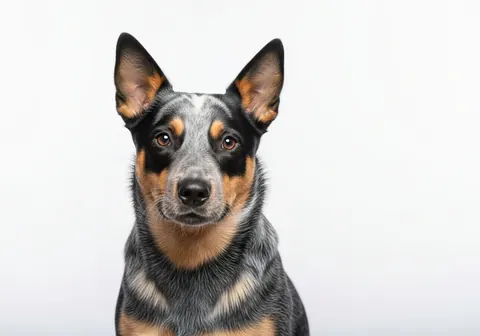
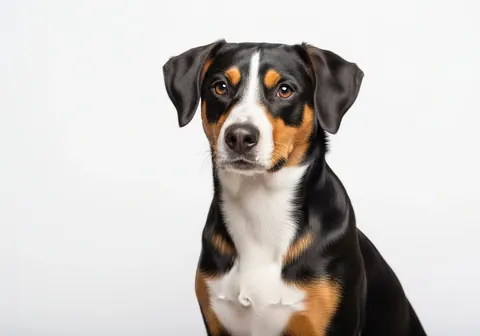
Related Breeds
Recommended Products for Medium Dogs
4-Legger Organic Hypoallergenic Shampoo
USDA-certified organic dog shampoo with aloe and lemongrass. Free of synthetic detergents, parabens, and artificial fragrance.
Bocce's Bakery Training Treats
Limited-ingredient, soft training treats baked in Brooklyn with whole foods like peanut butter, banana, and oatmeal — no preservatives.
Earth Rated Compostable Poop Bags
USDA-certified plant-based, home-compostable poop bags. Leak-proof, lavender-scented or unscented options.
Found My Animal Rope Leash
Hand-spliced cotton rope leash made in Brooklyn, NY. A portion of every sale funds shelter and rescue partners.
Open Farm Grass-Fed Beef Recipe
Pasture-raised beef recipe with humanely-sourced meat, non-GMO produce, and traceable ingredients you can look up by lot number.
Pet Honesty Multivitamin Soft Chews
10-in-1 daily multivitamin chew with glucosamine, omega-3s, probiotics, and antioxidants. NASC-certified facility.